Last checked: 2026-08-29
The Budapest Card is the city’s official sightseeing pass: unlimited public transport, free entry to 17 museums, and a long tail of discounts, sold in versions from 24 hours up to multiple days. Whether it’s worth buying depends almost entirely on what kind of trip you’re planning — and if you found this page from a cruise guide, the honest answer starts with some bad news.
The big question: is a Danube cruise included?
Typically not as a freebie. River cruises usually sit in the discount section of the Budapest Card’s benefits, not the free section — you’ll pay for your boat ticket, just less than rack rate. The benefits list changes year to year, so check the current version on the official site (budapestinfo.hu) before you build your budget around any single item; that applies to everything on this page.
What this means in practice: if a cruise is the centerpiece of your trip, the card is a side calculation, not the main event. The best-selling night cruise starts from €11 on GetYourGuide — at that price, even a generous percentage discount saves you a coffee, not a meal. Card math is won or lost on transport and museums, so let’s do that math properly.
What the Budapest Card actually includes
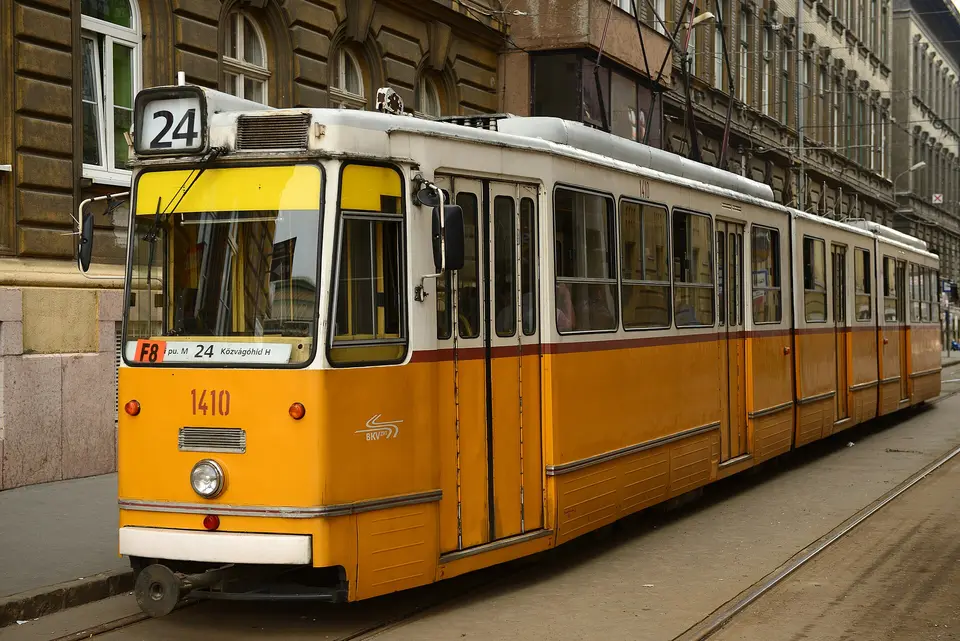
- Unlimited public transport — metro, trams, buses — for the card’s validity window. This replaces a BKK travelcard and is the card’s bedrock value: no ticket machines, no validation anxiety, tram 2 along the Danube as often as you like.
- Free entry to 17 museums, including several you’d plausibly visit anyway. The lineup shifts, so match it against your own list on the official site.
- Discounts on baths, tours, restaurants and — yes — river cruises. Useful, but discounts only save money on things you’d have bought at full price anyway.
- Version-dependent extras on the longer cards. Again: current details live on budapestinfo.hu, not on year-old blog posts.
What’s not included is just as important. The Parliament interior visit is a separate timed-entry ticket (from €43 with audio guide, as listed on GetYourGuide at the time of writing — book it via our Parliament ticket link or the official site, and book early in summer because it sells out). The thermal baths are generally discount items, not free ones — a Széchenyi full-day pass runs from about €39 bought individually. And boat tickets, as covered above, are discounts at best.
When the Budapest Card pays off — and when it doesn’t
The card is a volume product. It wins when you use public transport constantly and clear two or more included museums per day. It loses when your itinerary is built from the things Budapest is actually most famous for — baths, cruises, the Parliament, ruin bars — because those are excluded or merely discounted.
| Your trip looks like… | Verdict |
|---|---|
| Museum marathon: 2–3 included museums daily, hotel outside the center, transit everywhere | Card wins — this is exactly who it’s built for |
| Classic first visit: one cruise, one bath, Parliament, Castle Hill, mostly walking the center | Single tickets win — your big spends are excluded or discounted |
| Rainy-season culture trip: museums as the main program, short transit hops all day | Card wins, sized to your museum days only |
| Weekend break: night cruise, Sparty or bath, ruin bars, brunch | Single tickets win — you’d barely open the benefits app |
| Family with kids criss-crossing town: zoo, tram rides, a couple of museums | Run the numbers — transport value adds up, but check child pricing separately |
The honest heuristic: central Budapest is compact and walkable, and the tourist core — Vigadó tér docks, the Basilica, the Chain Bridge, Váci utca — fits in a 20-minute walking radius. Many visitors ride transit far less than they expect. If you’re not sure, a plain BKK travelcard covers the transport half of the card’s value for less, and you buy attraction tickets individually. Our prices and tickets guide breaks down what each cruise format actually costs.
Card vs GetYourGuide bundles: two different strategies
The Budapest Card and activity bundling solve different problems. The card optimizes breadth: many small entries, unlimited transit, spontaneous museum stops. Booking individual products on GetYourGuide optimizes depth: you pick exactly the cruise, bath slot and tour you want, usually with free cancellation up to 24 hours before — flexibility the card, once activated, can’t offer.
Most itineraries we recommend on this site lean on two or three well-chosen bookings rather than a pass: a night or sunset cruise, one bath, one interior visit. For that shape of trip, individual tickets nearly always beat the card. Where the card slots in nicely is as a transport-plus-museums layer under a cruise trip: buy the card for its transit and museum days, and book your boat separately since it wasn’t free anyway. The two strategies stack; they don’t compete.
One more comparison worth making: if what tempts you about the card is “one ticket, no thinking,” look at the hop-on hop-off options too — but read our honest take there, because tram 2 undercuts most of that category as well.
A worked example: three days, cruise-first
Say you’re doing the classic three-day first visit: arrive, evening cruise; day two, Parliament interior plus Castle Hill; day three, Széchenyi bath and the Great Market Hall. Run it against the card:
- Cruise: from €11 on GetYourGuide; card gives a discount at best. Card contribution: small.
- Parliament: from €43, not a card museum. Card contribution: none.
- Bath: from €39, typically a discount item. Card contribution: modest.
- Transport: the docks, Parliament and market all sit in the walkable center; your only real transit is to City Park for the bath and back. A handful of single tickets covers it.
Priced this way, the card would need to earn back its full cost from one discounted bath entry, a discounted boat and two tram rides — it won’t. Swap in two museum mornings (National Gallery, a history museum) and hotel accommodation out by the ring road, and the calculation flips fast. That’s the whole trick: the card doesn’t have a verdict, itineraries do. Ten minutes with the benefits list and your actual plan gives you a certain answer; buying at the airport queue because it “sounds efficient” gives you a coin-flip.
Where to buy the Budapest Card
Three sensible channels, near-identical pricing:
- Official site — budapestinfo.hu, with digital and physical options and the authoritative benefits list.
- Airport and city sales points — fine if you decide last-minute, though queues at arrivals can be long after evening flights.
- GetYourGuide — the Budapest Card product sits alongside your other bookings with mobile delivery; convenient if you’re already booking cruises and tours there.
Whichever channel you pick, activate the card strategically: validity runs in clock hours from activation, so a card first used at 09:00 covers full sightseeing days, while one activated at 17:00 burns an evening of its window on dinner.
The bottom line
The Budapest Card is a good product for the trip it was designed for — museum-dense, transit-heavy days — and a mediocre one for the classic cruise-bath-and-Parliament visit most first-timers actually take. Don’t buy it on autopilot: check the current benefits list, price your real itinerary, and remember that the boat you came for will cost you money either way. When it does, make it a good one — start with our overview of the best things to do in Budapest and pick the cruise that fits your evening, card or no card.
What works
- Unlimited public transport — no ticket-machine decoding
- 17 museums included, plus wide-ranging discounts
- Airport pickup available; longer versions add extras
What to watch for
- River cruises are typically discounted, not free
- Doesn't pay off for bath-and-cruise itineraries
- Benefits list changes — you must verify current inclusions
Frequently asked questions
Is a Danube river cruise free with the Budapest Card?
Typically no. River cruises usually appear in the discount section of the card's benefits, not the free section. Check the current benefits list on the official Budapest Card site before counting on it.
What does the Budapest Card include?
Unlimited public transport for its validity period, free entry to 17 museums, and discounts on a long list of attractions, tours and restaurants. Longer versions add extra perks — the exact list is on budapestinfo.hu.
Does the Budapest Card include the Parliament visit?
The Parliament interior visit is a timed-entry ticket sold by the Parliament itself and is not one of the card's free museums. Budget for it separately — from €43 with audio guide as listed on GetYourGuide at the time of writing.
Does the Budapest Card cover Széchenyi or Gellért baths?
The thermal baths are generally a discount benefit, not free entry. A Széchenyi full-day pass runs from about €39 booked individually, so a percentage off helps — but verify the current bath benefit before you rely on it.
Where do I buy the Budapest Card?
On the official site (budapestinfo.hu), at airport and city sales points, or as a GetYourGuide product with mobile delivery. Prices are the same or very close everywhere — buy wherever cancellation terms suit you.
How many days should I get?
Match it to your museum days, not your whole stay. If only two of your four days are museum-and-transit heavy, a 48-hour card covering those two days beats a 96-hour card covering everything.
Is the Budapest Card worth it for a weekend cruise trip?
Usually not. A typical cruise weekend — one boat trip, one bath, one dinner — hits mostly discounted or excluded items. Single tickets plus a BKK travelcard tend to come out cheaper.